Pre-Delivery Inspection Guide for New and Used Cars
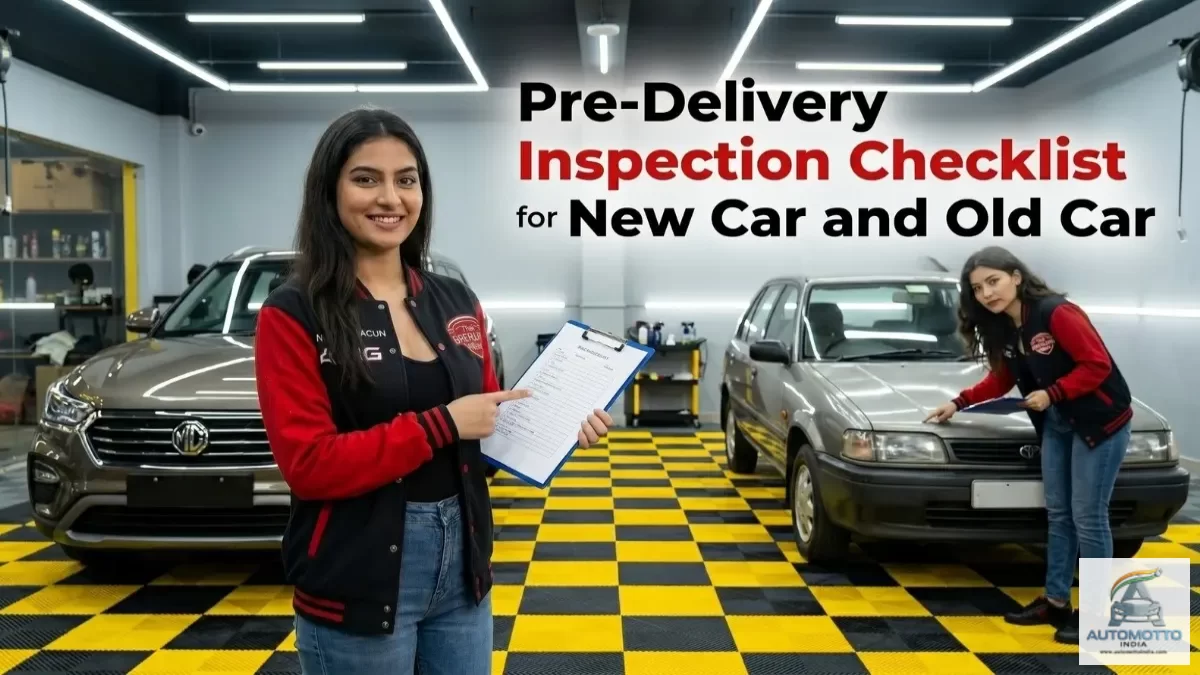
Buying a car is always a big moment. Whether it is a brand-new vehicle or a pre-owned car, the feeling is the same. There is excitement, pride, and a sense of achievement. But before you take the keys and drive home, there is one step you should never ignore. That step is pre delivery inspection, also known as PDI.
Most buyers focus only on price, features, and delivery date. Very few pay attention to the actual condition of the car at the time of delivery. This is where problems can begin. A proper car inspection before delivery can protect you from hidden issues, unnecessary stress, and future expenses.
What is Pre-Delivery Inspection (PDI)?
Pre-delivery inspection is the final check done before the car is handed over to you. It ensures that the vehicle is in proper condition and matches what was promised. For a new car, PDI confirms that the vehicle has no damage from transport or storage. For a used car, it helps identify wear and tear, repairs, and hidden defects
Dealerships usually perform this new car inspection checklist on their own. But relying only on them is not always enough. That is why many buyers prefer a third-party inspection.
Importance of PDI Before Taking Delivery: A Real Experience
Buying a dream car is not just a purchase. It is an emotional moment. Most customers trust the brand and showroom without asking many questions. In many cases, that trust works. But sometimes, it does not.
Let me share a real experience.
- A friend bought a black Toyota Urban Cruiser Hyryder in March 2026. He was very happy. After 4 to 5 days, he visited a detailing studio for PPF installation.
- Before starting the work, the studio did a basic check. During this car PDI checklist, they found that the car had been repainted.
For a brand-new car, this is a serious issue. The detailing team refused to install PPF. The reason was simple. Repainted surfaces can cause problems. The paint may lift during installation or come off when the film is removed later.
In simple words, a repainted new car is a major red flag. When my friend heard this, he was shocked. He had paid for a new car, not a repaired one. He went back to the showroom. Initially, they denied everything and tried to shift the blame. But he stayed firm and proved that the inspection happened before the car even entered the workshop. But the problem did not end there.
Since paperwork had already started, updating the engine and chassis number in the RC became another challenge. This one incident clearly shows how important pre delivery inspection checklist is. It can save you from stress, financial loss, and long delays.
Why is PDI Important for New Car Buyers?
Most people believe that a new car will be perfect. In reality, that is not always true. Cars go through multiple stages before delivery. They are transported, stored in stockyards, and handled by different people. During this process, small damages, repainting, or part replacements can happen.
A proper new car inspection checklist helps you:
- Detect scratches, dents, or paint issues
- Identify repainting or repair work
- Check if all accessories are included
- Confirm documents and vehicle details
- Verify engine, battery, and electrical systems
There have been real cases where buyers received repainted cars without knowing it. Such issues can affect long-term performance, resale value, and even warranty claims.
Why is PDI Important for Used Car Buyers?
When it comes to used cars, PDI becomes even more important. A pre-owned car already has a history. You cannot rely only on what the seller says. You need to verify everything yourself.
A used car inspection checklist helps you:
- Check accident history or repair work
- Inspect tyres, suspension, and brakes
- Verify mileage authenticity
- Detect hidden damages or modifications
- Identify engine and mechanical problems
In simple terms, PDI helps you avoid buying a problem instead of a car.
New Car vs Old Car PDI: What’s the Difference?
The purpose of PDI remains the same for both new and old cars. The difference lies in what you focus on.
New Car PDI Focus
- Factory condition
- Paint quality and finish
- Missing parts or accessories
- Transit damage
- Software and electronics
Old Car PDI Focus
- Wear and tear
- Engine health
- Service history
- Overall condition
- Previous accidents or repairs
For a new car, you are checking if everything is perfect. For a used car, you are checking how much has changed over time.
Complete PDI Checklist for New and Old Cars
Here is a simple checklist you can follow.
1. Exterior Inspection
Start with the outer body of the car.
- Check for scratches, dents, or paint mismatch
- Look at panel gaps and alignment
- Inspect doors, bonnet, and boot opening
- Check glass, mirrors, and lights
- Look for signs of repainting
Daylight inspection always works best.
2. Interior Inspection
Move inside the car.
- Check seats for stains or damage
- Test dashboard buttons and controls
- Inspect infotainment system
- Check AC cooling performance
- Look for loose panels or poor fitting
A new car should feel fresh. A used car should match its condition and age.
3. Engine and Mechanical Check
This is one of the most important steps.
- Check engine bay for leaks or damage
- Verify fluid levels like oil and coolant
- Inspect battery condition
- Listen for unusual engine sounds
- Check for loose or worn parts
Even a small issue here can lead to big problems later.
4. Electrical System Check
Modern cars depend heavily on electronics.
- Test headlights, indicators, and brake lights
- Check horn and wipers
- Test infotainment and sensors
- Verify power windows and central locking
- Check reverse camera and parking sensors
Everything should work smoothly without delay.
5. Tyres and Wheels
- Check tyre condition and manufacturing date
- Inspect tread depth
- Look for cuts or damage
- Check alloy wheels for scratches
- Ensure spare tyre and toolkit are present
6. Test Drive
Never skip this step.
- Check acceleration and braking
- Observe steering alignment
- Listen for suspension noise
- Test gear shifting
- Ensure smooth driving experience
A short drive can reveal issues that are not visible when the car is parked.
7. Documents Verification
This is as important as checking the car itself.
- Match VIN and engine number
- Check invoice details
- Verify insurance policy
- Review registration documents
- Collect warranty papers
- Ensure all promised accessories are included
For used cars, also check service records and ownership history.
Why Independent PDI is the Best Option?
The safest option is to choose an independent PDI. A third-party inspection service works only for you. It reduces the risk of hidden defects or manipulation. It is highly recommended if you are buying:
- Premium or luxury cars
- Dark-colored cars
- High-demand models
- Display vehicles
- Used cars
Should You Choose an Independent PDI Service?
Surely Yes, if possible. A third-party inspection service works for you, not the dealer. They provide an unbiased report and can detect issues that you might miss. Independent PDI is highly recommended if you are buying:
- A premium or luxury car
- A high-value vehicle
- A used car from an unknown seller
- A car from a stockyard or display unit
It adds a small cost but can save a lot of money and stress
Common Mistakes Buyers Make
Many buyers skip PDI or do it in a hurry. Here are some common mistakes:
- Trusting the showroom blindly
- Not checking the car in daylight
- Ignoring small scratches or marks
- Skipping test drive
- Not verifying documents properly
- Accepting delivery in a rush
Avoiding these mistakes can make a big difference.
Final Thoughts
A car is not just a purchase. It is a long-term investment. Whether you are buying a new car or a used one, Pre-Delivery Inspection is your safety net. It helps you make sure that what you are paying for is exactly what you are getting.
Take your time. Inspect every detail. Ask questions. And if needed, take expert help. Because once you take delivery, fixing problems becomes harder. A careful inspection today can save you from major issues tomorrow.


Discussion