Clay Bar Treatment for Car: Benefits, Process and Complete Guide

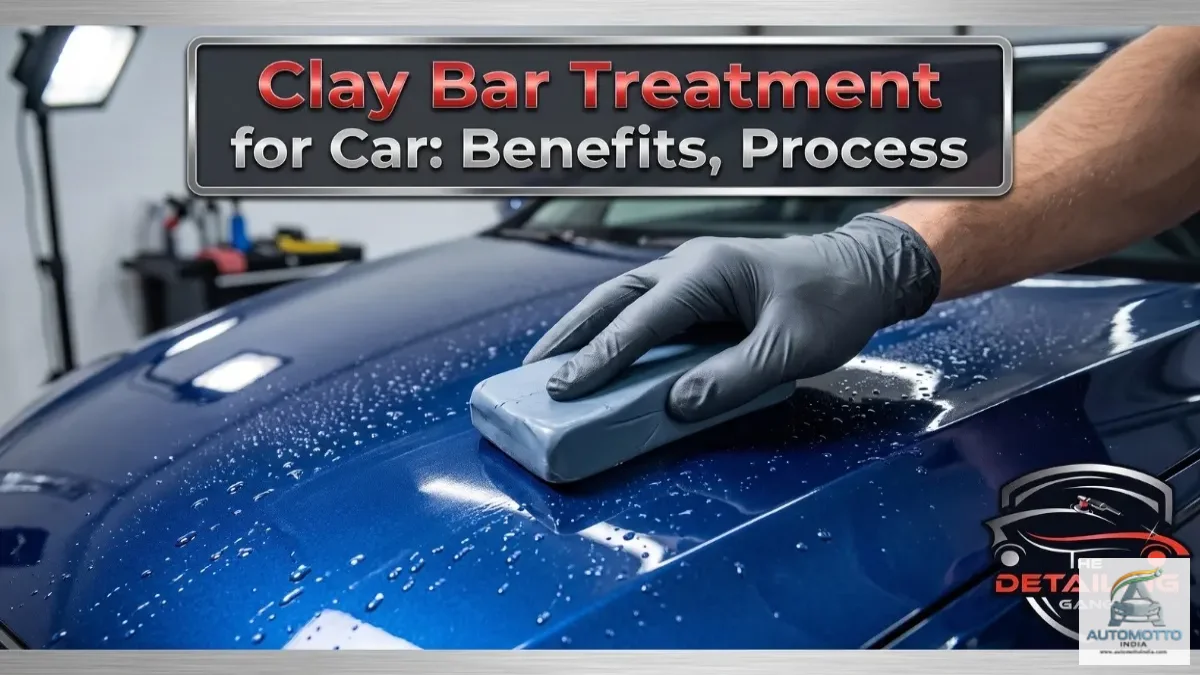
Have you ever washed your car thoroughly but still felt that the paint wasn't completely smooth? If the surface feels rough when you gently run your hand over it, your car may have contaminants that regular washing cannot remove. This is where Clay Bar Treatment for Car becomes important.
A clay bar treatment removes stubborn contaminants that stick to your vehicle's paint over time. It restores a smooth finish and prepares the surface for wax, paint sealant, ceramic coating, or even paint protection film (PPF). Many professional detailers consider this one of the most important steps in paint preparation because it helps achieve better results and longer-lasting protection.
In this guide, you'll learn everything about Clay Bar Treatment for Car, including how it works, its benefits, when to use it, and why professionals recommend it before applying any paint protection.
What Is Clay Bar Treatment for Car?
A Clay Bar Treatment for Car is a paint decontamination process that removes contaminants bonded to the paint surface without causing unnecessary damage. Even after washing your vehicle, tiny particles remain attached to the paint. These contaminants include:
- Brake dust
- Industrial fallout
- Tree sap
- Road tar
- Bird dropping residue
- Water spot minerals
- Rail dust
- Paint overspray
- Pollution particles
These contaminants become embedded in the clear coat over time. A normal car shampoo cannot remove them because they are bonded tightly to the paint.
A detailing clay bar gently lifts these particles away while preserving the clear coat when used correctly with a clay lubricant. The result is paint that feels incredibly smooth and looks cleaner.
Why Regular Car Washing Is Not Enough?
Many car owners believe a good wash removes everything from the paint.
Unfortunately, that isn't true. Modern vehicles face constant exposure to environmental contamination every day. As you drive, microscopic particles land on the paint and gradually bond with the surface.
Some common sources include:
- Construction dust
- Metal particles from brakes
- Factory pollution
- Cement dust
- Tree resin
- Air pollution
- Road grime
- Bug residue
Over weeks and months, these contaminants build up. Even after washing, your paint may still feel rough because the dirt isn't sitting on the surface anymore. Instead, it has bonded with the clear coat. This is why professional detailers perform car paint decontamination before polishing or applying any protective coating.
How Does a Clay Bar Work?
A car clay bar works differently from soap or shampoo. Instead of cleaning loose dirt, it gently pulls bonded contaminants from the paint.
Here's how the process works.
- First, the vehicle is washed thoroughly.
- A special clay lubricant is sprayed on a small section of the paint.
- The detailing clay is then moved gently across the lubricated area using light pressure.
- As the clay slides over the surface, it captures contaminants that stick above the paint.
- The contaminants become trapped inside the clay, leaving the paint clean and smooth.
- The process continues panel by panel until the entire vehicle has been treated.
When completed correctly, the paint becomes noticeably smoother and ready for further detailing.
What Does a Clay Bar Remove?
One of the biggest misconceptions is that a clay bar removes scratches.
It doesn't. Instead, it removes contamination that washing cannot eliminate.
A Clay Bar Treatment for Car can remove:
- Industrial fallout
- Brake dust
- Rail dust
- Metal particles
- Road tar
- Paint overspray
- Tree sap residue
- Bug remains
- Hard water deposits
- Surface contamination
- Light environmental fallout
It does not remove:
- Deep scratches
- Paint chips
- Oxidation
- Swirl marks
- Stone chips
- Deep stains inside the paint
These issues usually require paint correction or polishing.
Why Professional Detailers Always Use a Clay Bar?
Professional detailing studios rarely skip this step because it improves every service that follows. Imagine applying ceramic coating over contaminated paint. Imagine applying ceramic coating over contaminated paint. The coating will seal those contaminants underneath, reducing gloss and affecting durability. The same applies to waxing and polishing.
By performing Clay Bar Treatment for Car first, detailers create a perfectly clean surface that allows protective products to bond better.
This results in:
- Better shine
- Improved gloss
- Longer coating life
- Better polishing results
- Smoother paint
- Easier maintenance
That is why clay barring is considered an essential paint preparation step.
Major Benefits of Clay Bar Treatment for Car
There are many reasons why professional detailers recommend a Clay Bar Treatment for Car.
1. Creates an Ultra Smooth Surface
- One of the first things you'll notice is how smooth your paint feels.
- After treatment, the rough texture disappears because bonded contaminants have been removed.
2. Improves Paint Gloss
- Contaminants scatter light and make paint appear dull.
- Removing them allows the paint to reflect light more evenly, making the finish look brighter and cleaner.
3. Helps Ceramic Coating Last Longer
- A clean surface allows ceramic coating to bond properly.
- Better bonding means improved durability and longer protection.
4. Makes Wax More Effective
- Wax performs best on contamination-free paint.
- A clay-treated surface helps wax spread evenly and last longer.
5. Enhances Paint Correction Results
- Machine polishing becomes more effective after decontamination.
- Without bonded contaminants, polishing pads glide more smoothly and produce a better finish.
6. Removes Invisible Contamination
- Many harmful particles cannot be seen with the naked eye.
- A clay bar safely removes these contaminants before they damage the paint over time.
7. Improves Paint Feel
- Your vehicle feels noticeably smoother after treatment.
- Many owners describe it as feeling like glass.
8. Makes Future Washing Easier
- Since contaminants have already been removed, routine washing becomes easier.
- Dirt has fewer places to stick, helping maintain a cleaner finish.
Different Types of Contamination Found on Cars
Your vehicle collects contamination from many different sources every day.
Understanding these contaminants explains why Clay Bar Treatment for Car is so important.
Brake Dust
- Tiny metal particles released during braking settle on your paint and gradually become embedded in the clear coat.
Rail Dust
- Metal particles from railway transport often settle on new vehicles before they reach dealerships.
Industrial Fallout
- Factories release airborne particles that eventually land on vehicles parked nearby.
Tree Sap
- Sticky tree sap hardens over time and becomes difficult to remove with normal washing.
Road Tar
- Fresh road construction leaves tar deposits that stick firmly to paint.
Paint Overspray
- Vehicles parked near painting work can collect tiny paint particles that bond with the surface.
Hard Water Deposits
- Minerals left behind after water evaporates can become stubborn contaminants.
Air Pollution
- Dust, smoke, and airborne pollutants slowly accumulate and bond with your vehicle's paint.
Is Clay Bar Treatment Safe?
Surely Yes!. A Clay Bar Treatment for Car is completely safe when performed correctly using a proper lubricant and light pressure. Professional detailers follow the correct technique to minimize the risk of marring while effectively removing contaminants.
Using too much pressure or working on a dry surface can create light marks, which is why proper lubrication and technique are essential. For most car owners, having the treatment performed by experienced professionals provides the best results, especially before polishing, ceramic coating, or paint protection film installation.
When Should You Get a Clay Bar Treatment?
A Clay Bar Treatment for Car is not something you need every time you wash your vehicle. Instead, it should be done whenever contaminants have built up on the paint or before major detailing services.
Professional detailers usually recommend a clay bar treatment:
- Before applying ceramic coating
- Before polishing the paint
- Before waxing the vehicle
- Before installing paint protection film
- Every 6 to 12 months for regularly driven cars
- Whenever the paint feels rough after washing
Cars that are parked outdoors or driven daily on busy roads often need paint decontamination more frequently than garage-kept vehicles.
Signs Your Car Needs a Clay Bar Treatment
Not sure whether your car needs a clay bar treatment? Here are some easy ways to tell.
The Paint Feels Rough
- Wash and dry your car completely.
- Now gently move your hand across the paint.
- If the surface feels rough instead of smooth, bonded contaminants are likely present.
- This is one of the easiest ways to identify the need for a Clay Bar Treatment for Car.
The Paint Looks Dull
- If your vehicle has lost its shine even after a proper wash, contamination may be reducing the paint's natural gloss.
- Removing those contaminants helps restore a cleaner appearance.
Water Doesn't Sheet Properly
- A contaminated surface can affect how water behaves on the paint.
- If water spreads unevenly instead of flowing smoothly, your paint may need decontamination.
Tiny Black or Orange Specks
- Sometimes you'll notice tiny dots that remain even after washing.
- These are often iron particles or industrial fallout embedded in the clear coat.
- A clay bar can safely remove many of these surface contaminants.
Before Ceramic Coating or Wax
- If you're planning to invest in ceramic coating, polishing, or waxing, always start with a clean paint surface.
- Skipping the clay bar step may reduce the effectiveness of these protective treatments.
Step-by-Step Clay Bar Treatment Process
Professional detailers follow a careful process to ensure the paint remains clean and protected.
Step 1: Wash the Vehicle Thoroughly
The first step is a complete car wash.
- Loose dirt, dust, and mud must be removed before using a clay bar.
- Working on a dirty surface increases the risk of scratching the paint.
Step 2: Dry the Vehicle
- After washing, the vehicle is dried using clean microfiber towels.
- A dry surface allows the clay lubricant to work more effectively.
Step 3: Prepare the Clay Bar
- The detailing clay is kneaded until it becomes soft and flat.
- A clean, smooth surface allows the clay to glide evenly across the paint.
Step 4: Spray Clay Lubricant
- A dedicated clay lubricant is sprayed onto a small section of the vehicle.
- The lubricant reduces friction and helps the clay move safely across the paint.
- Never use a clay bar on a dry surface.
Step 5: Glide the Clay Gently
- Move the clay bar back and forth using light pressure.
- Do not scrub or press hard.
- As the contaminants are removed, you'll notice the clay gliding more smoothly.
Step 6: Check the Clay Regularly
- The clay collects dirt and contaminants as you work.
- Fold and knead it frequently to expose a clean section.
- If the clay falls on the ground, discard it immediately.
- Tiny particles picked up from the floor can scratch the paint.
Step 7: Wipe the Surface
- Use a clean microfiber cloth to remove any remaining lubricant.
- The paint should now feel noticeably smoother.
Step 8: Continue Panel by Panel
- Repeat the process until every painted surface has been treated.
- Professional detailers work methodically to ensure complete paint decontamination.
Why Clay Bar Treatment Is Important Before Ceramic Coating?
One of the biggest reasons people choose a Clay Bar Treatment for Car is to prepare the paint for ceramic coating. Ceramic coating forms a protective layer by bonding directly with the paint. If contaminants remain on the surface, the coating bonds to the contamination instead of the paint.
This can lead to:
- Reduced durability
- Uneven gloss
- Lower hydrophobic performance
- Poor overall finish
A properly decontaminated surface allows ceramic coating to perform as intended.
Why Clay Bar Treatment Is Essential Before Paint Protection Film?
Installing Paint Protection Film on contaminated paint is never recommended. PPF adheres directly to the vehicle's paint. If contaminants remain underneath, they can:
- Reduce adhesion
- Create visible imperfections
- Affect the final finish
- Shorten installation quality
Professional installers usually perform paint decontamination before applying premium Paint Protection Film.
Different Types of Clay Bars
Not all clay bars are the same.
They are available in different grades depending on the level of contamination.
Fine Grade Clay Bar
This is the most common option for well-maintained vehicles. It removes light contamination while minimizing the chance of leaving marks.
Ideal for:
- Regular maintenance
- New vehicles
- Cars with ceramic coating
- Light paint contamination
Medium Grade Clay Bar
Medium-grade clay removes heavier contamination than fine clay. It is commonly used on vehicles that have not been detailed for a long time.
Suitable for:
- Older vehicles
- Moderate contamination
- Road grime
- Industrial fallout
Heavy Grade Clay Bar
- Heavy-grade clay is designed for severe contamination.
- It removes stubborn bonded particles but may leave light marring that usually requires polishing afterward.
- Professional detailers generally reserve this option for neglected paint.
Can You Clay Bar Every Car?
Yes, a Clay Bar Treatment for Car is suitable for almost every painted vehicle when performed correctly.
It can be used on:
- Hatchbacks
- Sedans
- SUVs
- Luxury cars
- Sports cars
- Electric vehicles
- Motorcycles
However, the condition of the paint should always be evaluated first. A professional detailer can determine the right type of clay bar and the safest approach based on the vehicle's condition.
Does a Clay Bar Remove Scratches?
This is one of the biggest misconceptions about Clay Bar Treatment for Car. The simple answer is no.
A clay bar removes bonded contaminants sitting on the paint surface. It does not remove scratches, swirl marks, oxidation, or paint defects.
However, many people feel their car looks much better after claying because contaminants that make the paint appear dull have been removed. The smoother surface reflects light more evenly, giving the paint a cleaner and glossier appearance. If your car has visible scratches or swirl marks, you will need paint correction or machine polishing after the clay bar treatment.
Can a Clay Bar Damage Car Paint?
A Clay Bar Treatment for Car is completely safe when done correctly. Professional detailers use proper lubrication, clean clay, and gentle pressure throughout the process.
Problems usually happen when someone:
- Uses the clay on a dry surface
- Applies too much pressure
- Uses a dirty clay bar
- Drops the clay and continues using it
- Uses the wrong grade of clay
Following the correct technique keeps the paint safe and delivers excellent results. If you are unsure about the process, it is always better to let experienced professionals handle the job.
How Often Should You Clay Bar Your Car?
There is no single schedule that works for every vehicle.
How often your car needs a Clay Bar Treatment for Car depends on several factors, including where you drive, how often the vehicle is washed, and whether it is parked indoors or outdoors.
Here are some general recommendations.
Daily Driven Cars
- A clay bar treatment every 6 to 12 months is usually sufficient.
Garage Kept Cars
- If your vehicle spends most of its time indoors, once a year may be enough.
Cars Parked Outdoors
- Vehicles exposed to pollution, construction dust, tree sap, and industrial fallout may benefit from more frequent inspections.
Before Major Detailing Services
Always perform paint decontamination before:
- Ceramic coating
- Machine polishing
- Paint sealant
- Premium wax
- Paint Protection Film
What Is the Cost of Clay Bar Treatment in India?
The cost of a Clay Bar Treatment for Car depends on several factors, including:
- Vehicle size
- Paint condition
- Level of contamination
- City
- Detailing studio
- Whether polishing or ceramic coating is included
As a general estimate:
Vehicle Type | Estimated Price |
Hatchback | ₹1,500 to ₹3,000+ |
Sedan | ₹2,000 to ₹4,000+ |
SUV | ₹2,500 to ₹5,000+ |
Luxury Cars | Varies based on condition |
Many professional detailing packages include a clay bar treatment before polishing or ceramic coating.
How to Maintain Your Car After Clay Bar Treatment
Once your paint has been properly decontaminated, regular maintenance will help keep it in excellent condition.
Follow these simple tips.
Wash Your Car Regularly
Use a pH-neutral car shampoo and clean microfiber wash mitts.
Regular washing prevents contaminants from building up quickly.
Avoid Harsh Chemicals
Strong detergents and household cleaners can reduce the effectiveness of your paint protection.
Always use products designed specifically for automotive paint.
Dry the Vehicle Properly
Use soft microfiber towels to prevent scratches during drying.
Avoid allowing water to dry naturally on the paint, especially in direct sunlight.
Protect the Paint
After a Clay Bar Treatment for Car, always apply a protective layer.
Options include:
- Ceramic coating
- Car wax
- Paint sealant
These products reduce contamination and make future cleaning easier.
Remove Bird Droppings Quickly
- Bird droppings, bug remains, and tree sap can damage the paint if left for too long.
- Cleaning them promptly helps preserve your vehicle's finish.
Common Myths About Clay Bar Treatment
Let's clear up a few common misunderstandings.
Myth 1: A Clay Bar Is a Replacement for Car Washing
- False.
- A clay bar removes bonded contaminants, while washing removes loose dirt and dust.
- Both steps are important.
Myth 2: A Clay Bar Removes Deep Scratches
- False.
- Only polishing or paint correction can reduce or remove most light scratches and swirl marks.
Myth 3: Every Car Needs Heavy Clay
- False.
- Most vehicles only require a fine-grade clay bar.
- Using a more aggressive clay than necessary may leave light marring.
Myth 4: You Should Clay Your Car Every Month
- False.
- Frequent clay bar treatments are usually unnecessary.
- Most well-maintained vehicles only need paint decontamination once or twice a year.
Final Thoughts
A Clay Bar Treatment for Car is one of the most effective ways to restore a smooth, clean paint surface. While regular washing removes everyday dirt, it cannot eliminate bonded contaminants that slowly build up over time.
Whether you plan to apply ceramic coating, car wax, paint sealant, or Paint Protection Film, starting with a properly decontaminated surface helps you achieve better results and longer-lasting protection.
If your car feels rough after washing, has lost its shine, or is getting ready for professional detailing, a clay bar treatment is a smart investment. It improves paint clarity, enhances gloss, and creates the perfect foundation for any paint protection service.
With proper maintenance and periodic decontamination, your vehicle will continue to look cleaner, shine brighter, and stay protected for years.
Frequently Asked Questions
Q1. What is a clay bar treatment for a car?
Ans. A Clay Bar Treatment for Car removes bonded contaminants such as brake dust, industrial fallout, road tar, and tree sap that regular washing cannot remove. It leaves the paint smooth and ready for waxing, polishing, or ceramic coating.
Q2. Is a clay bar treatment worth it?
Ans. Yes. It improves paint smoothness, enhances shine, and helps protective products bond better with the paint.
Q3. Can I use a clay bar on a new car?
Ans. Yes. Even brand-new vehicles can collect rail dust, industrial fallout, and transport contamination before delivery.
Q4. Should I polish after using a clay bar?
Ans. Not always. If the paint is already in good condition, you can apply wax or ceramic coating directly. If swirl marks or light scratches are present, polishing after claying will improve the finish.
Q5. Does clay bar remove water spots?
Ans. It can remove light mineral deposits sitting on the surface. Deep water spot etching usually requires polishing.
Q6. Can I use a clay bar on glass?
Ans. Yes. Clay bars can safely remove contaminants from automotive glass when used with proper lubrication.
Q7. Can ceramic coated cars be clay barred?
Ans. Yes, but only when necessary. A fine-grade clay bar should be used carefully because aggressive claying may reduce the effectiveness of the coating over time.
Q8. How long does a clay bar treatment take?
Ans. Most professional treatments take between one and three hours, depending on the vehicle's size and the level of contamination.



Discussion