Top Mistakes That Damage Car Paint and How to Prevent Them

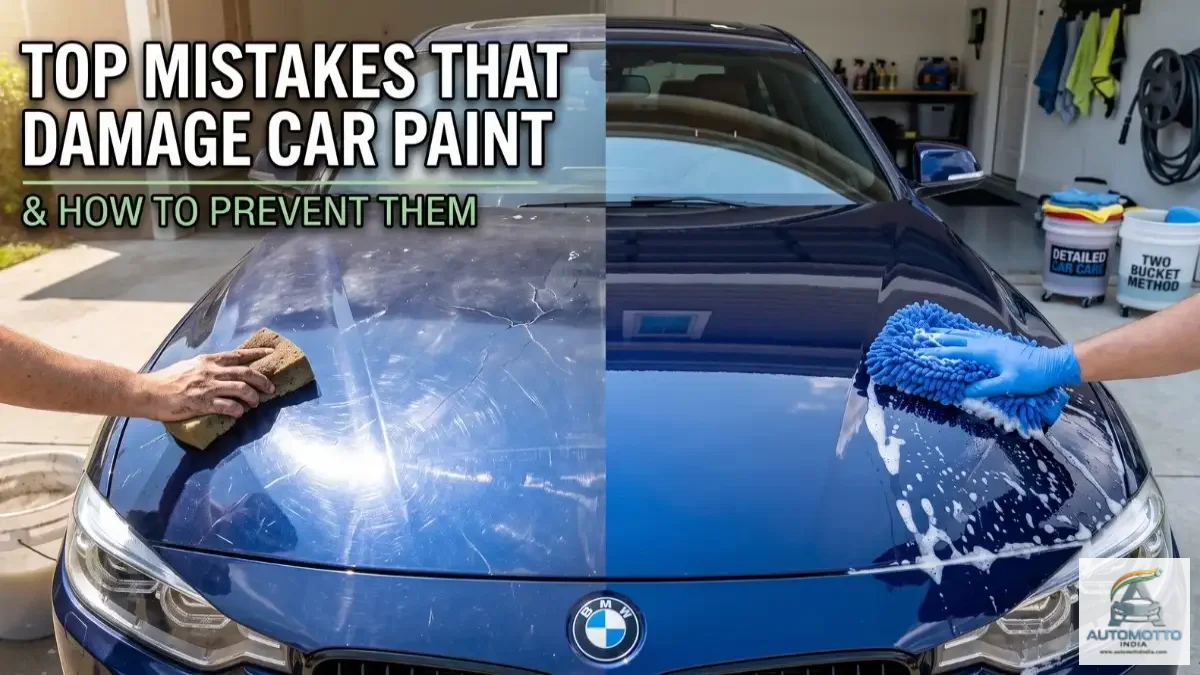
Your car's paint is more than just a layer of color. It protects the metal body from moisture, dirt, pollution, and harsh weather while giving your vehicle its attractive finish. Whether you own a brand-new car or one that has been with you for years, maintaining the paint is one of the best ways to preserve its value and appearance.
Many car owners believe that paint damage only happens because of accidents or old age. In reality, everyday habits often cause the biggest problems. Washing the car the wrong way, leaving bird droppings for too long, parking under direct sunlight every day, or using household cleaning products can slowly ruin your vehicle's finish.
The good news is that most of these problems are completely avoidable. By understanding what harms your car's paint and following the right maintenance routine, you can keep it looking glossy and well-protected for years.
In this guide, we will explore the top mistakes that damage car paint, explain why they happen, and share practical tips to help you avoid expensive repairs in the future.
Understanding Car Paint and Why It Gets Damaged
Before discussing the common mistakes, it helps to understand how modern automotive paint works. Most modern vehicles have multiple paint layers, and each one serves a different purpose.
- Primer: The primer creates a strong bond between the metal body and the paint. It also helps prevent corrosion and improves paint durability.
- Base Coat: The base coat gives your vehicle its color. Whether your car is white, black, red, silver, or blue, this is the layer responsible for its appearance.
- Clear Coat: The clear coat is the transparent protective layer on top of the paint. It adds gloss and shields the colored layer from UV rays, dust, chemicals, bird droppings, water spots, and minor scratches. When the clear coat becomes damaged, the base coat becomes exposed. Over time, this can lead to fading, oxidation, scratches, and even rust if left untreated.
This is why proper car paint maintenance is essential. Protecting the clear coat helps maintain the beauty and value of your vehicle.
Why Car Paint Gets Damaged Faster Than You Think?
Many people assume that only rough driving conditions affect car paint. However, several everyday factors contribute to gradual paint damage.
- Some of the most common causes include:
- Incorrect washing techniques
- Dust and road grime
- UV rays from sunlight
- Bird droppings
- Tree sap
- Hard water stains
- Acid rain
- Industrial pollution
- Automatic brush car washes
- Poor maintenance habits
Most of these issues start small. At first, you may only notice reduced shine or light swirl marks. Over time, the damage becomes more visible and expensive to repair. Fortunately, a few simple changes in your routine can significantly reduce the risk of car paint damage.
Top Mistakes That Damage Car Paint
1. Washing Your Car with Household Detergent
One of the biggest mistakes many car owners make is using household cleaning products instead of a dedicated car shampoo. Dishwashing liquids, laundry detergents, and floor cleaners are designed to remove grease and oils. While they may clean the surface quickly, they also strip away wax, paint sealants, and other protective layers. Repeated use of these products leaves the clear coat exposed to sunlight, dirt, and moisture.
Why It Damages Paint?
Household detergents contain strong chemicals that remove protective coatings from the paint surface. Without this protection, the paint becomes dull and more vulnerable to scratches and oxidation.
Better Alternative: Always use a high-quality pH-neutral car shampoo that is specifically designed for automotive paint. These shampoos safely remove dirt while preserving existing protection.
Pro Tip: Even if your car has ceramic coating or paint protection film, using the correct shampoo helps extend its life.
2. Washing Your Car Under Direct Sunlight
Many people wash their vehicles during the afternoon because the weather is bright and warm. Unfortunately, this is one of the quickest ways to create water spots. When water and shampoo dry too quickly on a hot surface, minerals remain behind. These mineral deposits stick to the clear coat and become difficult to remove.
Why It Damages Paint?
Hot paint causes soap and water to evaporate rapidly, leaving behind stubborn water spots that can eventually etch into the clear coat. Over time, these stains reduce the paint's shine and may require professional polishing to remove.
Better Alternative: Wash your vehicle early in the morning or later in the evening when the surface is cool. If possible, wash your car in a shaded area to reduce direct heat exposure.
3. Using Dirty Sponges and Microfiber Towels
Your cleaning tools are just as important as the products you use. Many people wash their car using the same sponge repeatedly without cleaning it properly. Dust, sand, and tiny stones become trapped inside the sponge or towel. Every time you wipe the paint, those particles rub against the surface like sandpaper.
Why It Damages Paint?
Small dirt particles create fine scratches called swirl marks. These marks become especially noticeable on black and dark-colored vehicles when sunlight hits the paint. Over time, repeated scratching reduces gloss and requires paint correction to restore the finish.
Better Alternative:
- Always rinse your wash mitt regularly while washing.
- Use clean, soft microfiber towels for drying.
- Wash microfiber towels separately from household laundry to prevent contamination.
- Replace worn-out towels when they lose their softness.
4. Wiping Dust Off a Dry Car
Many car owners quickly wipe dust off their vehicle using a dry cloth before heading out. Although it looks harmless, this habit can permanently damage the paint. Dust contains tiny particles of sand, road debris, and airborne contaminants. Dragging these particles across the paint creates countless microscopic scratches.
Why It Damages Paint?
Dry wiping increases friction between the cloth and paint surface. Instead of removing dust safely, it grinds dirt into the clear coat. This is one of the leading causes of swirl marks on vehicles.
Better Alternative:
- If your vehicle is dusty, rinse it with clean water first.
- Use proper washing techniques instead of dry wiping.
- A waterless wash product can also be used when the dust level is very light.
5. Skipping Regular Car Washes
Some people believe washing their vehicle once every month or two is enough. In reality, dirt is much more harmful than many people realize. Road grime, mud, pollution, bird droppings, insect remains, brake dust, tree sap, and industrial fallout continue to sit on the paint every day. These contaminants slowly attack the clear coat.
Why It Damages Paint?
Leaving contaminants on the paint for long periods increases the risk of staining, oxidation, and permanent etching. Brake dust contains tiny metal particles that can embed into the paint. Bird droppings contain acidic compounds that quickly damage the clear coat during hot weather. Tree sap hardens over time, making removal more difficult.
Better Alternative:
- Wash your vehicle every one to two weeks under normal driving conditions.
- Regular cleaning prevents contaminants from building up and helps maintain a glossy finish.
- If you frequently drive during the rainy season, on dusty roads, or through construction areas, wash your car more often.
Small Habits Make a Big Difference
Protecting your vehicle's paint does not always require expensive products or complicated routines. Most paint damage happens because of everyday habits that many car owners overlook. Choosing the right shampoo, washing in the shade, using clean microfiber towels, avoiding dry wiping, and following a regular washing schedule can significantly reduce the risk of common car paint mistakes.
In the next part, we will cover even more damaging habits, including bird droppings, tree sap, automatic car washes, prolonged sun exposure, harsh chemicals, and other factors that silently reduce your car's shine over time.
6. Leaving Bird Droppings on Your Car
Bird droppings are one of the biggest enemies of your car's paint. Many people assume they can wait until the next car wash to clean them, but even a few hours can make a difference, especially during summer. Bird droppings contain acidic compounds that react with the clear coat. Heat from the sun speeds up this reaction, allowing the contaminants to etch into the paint.
Why It Damages Paint?
The acid softens the clear coat and leaves permanent stains or marks if not removed quickly. Even after washing, you may notice dull spots where the bird droppings remained for too long.
Better Alternative:
- Remove bird droppings as soon as possible.
- Use a microfiber cloth with clean water or a quick detailer spray. Let the area soak for a few minutes before gently wiping it away. Never scrape dried bird droppings with your fingernail or a hard object.
7. Ignoring Tree Sap
Parking under trees provides shade, but it also exposes your car to tree sap, pollen, leaves, and bird droppings. Tree sap is sticky and becomes harder with time. Once it dries, it bonds with the clear coat and becomes difficult to remove.
Why It Damages Paint?
If tree sap remains on the paint for several days, it can leave stains and damage the protective clear coat. Trying to remove hardened sap with excessive force may also create scratches.
Better Alternative:
- Wash off fresh sap immediately.
- Whenever possible, park in a covered area instead of under trees.
- If it has already hardened, use a dedicated tree sap remover or seek professional detailing instead of scraping it off.
8. Using Automatic Brush Car Washes
Automatic car washes are convenient, but not all of them are safe for your vehicle. Many older car wash systems use rotating brushes that come into contact with hundreds of vehicles every day. These brushes collect dust, sand, and small particles that can scratch your paint.
Why It Damages Paint?
The brushes create swirl marks and fine scratches across the clear coat. These marks become more visible over time, especially on dark-colored vehicles. Repeated visits to brush-based car washes can gradually reduce the gloss of your paint.
Better Alternative:
Choose a touchless automatic wash if hand washing is not possible. The safest option is a professional hand wash using clean microfiber wash mitts and the proper washing technique.
9. Parking in Direct Sunlight Every Day
Sunlight is another silent cause of car paint damage. Long hours of UV exposure slowly weaken the clear coat. Over time, the paint begins to lose its shine, fade, and develop oxidation. Dark-colored vehicles usually show fading faster than lighter shades because they absorb more heat.
Why It Damages Paint?
Continuous exposure to UV rays dries out the clear coat and reduces its protective properties. The paint becomes dull and rough, while plastic trims and rubber seals may also fade.
Better Alternative:
- Whenever possible, park in a shaded area or covered parking.
- If covered parking is unavailable, use a high-quality car cover after the vehicle has cooled down.
- Applying ceramic coating or using paint protection products can also reduce the effects of UV exposure.
10. Ignoring Small Scratches and Paint Chips
Small scratches often seem harmless, so many car owners postpone repairing them. Unfortunately, even minor paint chips expose the layers beneath the clear coat. Moisture and dirt can enter these damaged areas, increasing the risk of corrosion over time.
Why It Damages Paint?
What begins as a tiny scratch can eventually develop into peeling paint or rust, especially during the rainy season. Repairing a small scratch early is much less expensive than repainting an entire panel later.
- Better Alternative:
- Inspect your vehicle regularly.
- Touch up paint chips as soon as possible and consider professional polishing or paint correction for deeper scratches.
11. Polishing Your Car Too Frequently
Many people think regular polishing keeps the paint looking new forever. While polishing restores shine, it works by removing a very thin layer of the clear coat. Excessive polishing gradually reduces the thickness of this protective layer.
Why It Damages Paint?
Frequent polishing makes the clear coat thinner, leaving the paint less protected against UV rays, contaminants, and scratches. Eventually, repainting may become the only solution.
Better Alternative:
- Only polish your vehicle when necessary.
- Professional detailers can also measure paint thickness before polishing.
- Routine washing and protective coatings help maintain shine without removing paint.
12. Leaving Fuel Spills on the Paint
Small fuel spills near the fuel cap are common during refueling. Many drivers ignore these spills, assuming they will evaporate naturally. Although the fuel evaporates, it can leave residue behind that affects the paint over time.
Why It Damages Paint?
Petrol and diesel can weaken wax and protective coatings. Repeated exposure may dull the finish around the fuel filler area.
Better Alternative: If fuel spills onto the paint, wipe it off immediately with a clean microfiber cloth and wash the area with water if needed.
13. Using Harsh Chemicals
Some people use household cleaners, bathroom cleaners, bleach, or strong degreasers to remove stubborn stains from their vehicle. These products are not made for automotive paint.
Why It Damages Paint?
Harsh chemicals can stain, discolor, or weaken the clear coat. Repeated use may permanently affect the paint's appearance.
Better Alternative:
- Always use products specifically designed for automotive detailing.
- Follow the manufacturer's instructions and avoid experimenting with household cleaning products.
Environmental Factors That Can Damage Car Paint
Not every cause of paint damage comes from poor maintenance. Your car also faces several environmental challenges every day. Understanding these factors helps you take preventive action before permanent damage occurs.
UV Rays:
- Constant sunlight gradually fades paint and weakens the clear coat.
- Using protective coatings and covered parking can reduce this damage.
Acid Rain
- Rainwater may contain pollutants that settle on the paint surface.
- Washing your vehicle after heavy rainfall helps remove these contaminants.
- When the water evaporates, it leaves mineral deposits and acidic residue that affect the finish.
Hard Water
- Hard water contains minerals such as calcium and magnesium.
- If water dries naturally on the surface, these minerals create stubborn water spots.
- Drying your car with a clean microfiber towel immediately after washing helps prevent these marks.
Industrial Pollution
- Vehicles driven in cities often collect industrial fallout, dust, smoke, and airborne contaminants.
- These particles settle on the paint and gradually reduce its smoothness.
- Regular washing removes these pollutants before they become difficult to clean.
Road Salt and Mud
- In some regions, road salt and muddy water collect underneath and around the lower body panels
- If left untreated, these contaminants may contribute to corrosion over time.
- Cleaning the lower sections of the vehicle is just as important as washing the visible panels.
Warning Signs Your Car Paint Is Already Damaged
Many people notice paint damage only after it becomes serious.
Watch for these early warning signs.
Loss of Gloss
- If your vehicle no longer reflects light evenly, the clear coat may be losing its protective qualities.
Swirl Marks
- Fine circular scratches become visible under sunlight or bright lighting.
- These usually result from improper washing techniques.
Water Spots
- White or cloudy spots remain on the surface after washing
- If ignored, these spots may become permanent.
Faded Paint
- Sections exposed to constant sunlight may appear lighter than the rest of the vehicle.
- This is a common sign of UV damage.
Rough Surface
- Run your hand gently across clean paint.
- Professional decontamination can restore smoothness.
- If it feels rough instead of smooth, contaminants may have bonded with the surface.
Professional Tips to Protect Your Car Paint
Preventing car paint damage is much easier than repairing it.
Following a few simple habits can help your vehicle maintain its shine for many years.
- Wash your car every one to two weeks.
- Always use a pH-neutral car shampoo.
- Wash your vehicle in a shaded area.
- Use clean microfiber wash mitts and drying towels.
- Remove bird droppings and tree sap immediately.
- Dry the vehicle properly after every wash.
- Avoid automatic brush car washes whenever possible.
- Park in covered parking whenever available.
- Apply wax or paint sealant regularly.Consider ceramic coating or paint protection film for long-term protection.
- Inspect your vehicle regularly for scratches and chips.
- Clean contaminants before they become permanent stains.
These simple habits not only improve your car's appearance but also help preserve its resale value.
Ceramic Coating vs Paint Protection Film for Car Paint Protection
If you want to go beyond regular washing and waxing, two of the most popular options are Ceramic Coating and Paint Protection Film (PPF). While both help protect your vehicle, they serve different purposes.
Understanding the difference can help you choose the right solution based on your driving habits, budget, and expectations.
Feature | Ceramic Coating | Paint Protection Film (PPF) |
Protection from UV Rays | Excellent | Excellent |
Water Repellency | Excellent | Excellent |
Gloss Enhancement | Excellent | Excellent |
Protection from Light Scratches | Good | Excellent |
Protection from Stone Chips | Limited | Excellent |
Self-Healing Property | No | Available in premium TPU PPF |
Lifespan | 2 to 5 years depending on product | 5 to 10 years depending on quality |
When Should You Choose Ceramic Coating?
Ceramic Coating is ideal if you want:
- Long-lasting gloss
- Easier cleaning
- UV protection
- Better water beading
- Reduced dirt accumulation
It is a great option for owners who want their car to stay cleaner for longer with less maintenance.
When Should You Choose Paint Protection Film?
Paint Protection Film is the better choice if your priority is protecting the original paint from physical damage.
It helps protect against:
- Stone chips
- Minor scratches
- Road debris
- Bug splatter
- Bird droppings
- Tree sap
- UV rays
Many premium TPU films also feature self-healing technology that allows light scratches to disappear when exposed to heat. For new vehicles or luxury cars, PPF offers the highest level of paint protection.
How Much Does It Cost to Repair Paint Damage?
Ignoring small paint problems often leads to bigger repair bills later. The table below provides approximate repair costs in India. Actual prices vary depending on the vehicle, paint type, and location.
Repair Type | Approximate Cost |
Minor Scratch Removal | ₹500 to ₹2,000+ |
Paint Correction | ₹5,000 to ₹20,000+ |
Single Panel Repaint | ₹3,000 to ₹8,000+ |
Multiple Panel Painting | ₹15,000 to ₹40,000+ |
Full Body Repainting | ₹40,000 to ₹1,20,000+ or more |
Ceramic Coating | ₹15,000 to ₹50,000+ |
Full Body Paint Protection Film | ₹70,000 to ₹2,00,000+ |
Investing in proper car paint maintenance is usually much more affordable than repairing neglected paint.
Myth vs Fact About Car Paint
Many car owners follow advice that sounds reasonable but can actually harm the paint.
1. Myth: Rain Naturally Cleans Your Car
- Fact: Rainwater often contains dust, pollutants, and minerals. Once it dries, it can leave water spots and stains on the paint.
2. Myth: Dish Soap Is Safe for Washing Cars
- Fact: Dish soap removes grease effectively, but it also strips away wax and protective coatings, leaving the paint exposed.
3. Myth: Wax and Ceramic Coating Are the Same
- Fact: Wax provides temporary protection, while Ceramic Coating forms a stronger and longer-lasting protective layer.
4. Myth: Scratches Are Only Cosmetic
- Fact: Deep scratches can expose the lower paint layers, allowing moisture to reach the metal and increasing the risk of rust.
5. Myth: A Dirty Car Protects the Paint
- Fact: Dirt traps moisture and contaminants against the paint, increasing the chances of scratches and staining.
6. Myth: New Cars Do Not Need Paint Protection
- Fact: Even brand-new vehicles are exposed to sunlight, bird droppings, road debris, pollution, and harsh weather from the first day they are driven.
Quick Checklist to Prevent Car Paint Damage
Use this simple checklist to keep your vehicle looking its best.
- Wash your car every one to two weeks.
- Use only pH-neutral car shampoo.
- Wash in the shade whenever possible.
- Dry the vehicle using clean microfiber towels.
- Remove bird droppings immediately.
- Clean tree sap before it hardens.
- Avoid wiping dust with a dry cloth.
- Stay away from automatic brush car washes.
- Park in covered or shaded areas.
- Inspect the paint regularly for scratches and chips.
- Apply wax or protective coatings as recommended.
- Consider Paint Protection Film for maximum protection.
Following these habits consistently can help maintain your vehicle's finish for many years.
Final Thoughts
Your vehicle's paint is exposed to dust, sunlight, pollution, road debris, and changing weather every day. While some wear is unavoidable, most car paint damage happens because of simple mistakes that can easily be prevented. Using the right washing techniques, choosing quality cleaning products, removing contaminants quickly, and parking wisely all play an important role in protecting your vehicle's finish. Small habits practiced consistently can save you from expensive repairs and help your car maintain its shine for years.
If you want the highest level of protection, combining regular maintenance with Ceramic Coating or Paint Protection Film can significantly reduce the impact of everyday hazards. Whether you drive a brand-new car or an older vehicle, taking care of the paint not only improves its appearance but also helps preserve its resale value. Remember, protecting your car's paint is not about spending more. It is about following the right practices every time you clean, drive, and park your vehicle. A little attention today can keep your car looking newer for much longer.
Frequently Asked Questions
Q1. What damages car paint the most?
Ans. The most common causes of car paint damage include improper washing, bird droppings, tree sap, UV rays, road debris, harsh chemicals, and neglecting regular maintenance.
Q2. Can sunlight permanently damage car paint?
Ans. Yes. Continuous exposure to UV rays can fade the paint, reduce gloss, and weaken the clear coat over time.
Q3. Does bird poop permanently damage car paint?
Ans. It can. Bird droppings contain acidic compounds that may etch the clear coat if left on the surface for several hours, especially during hot weather.
Q4. Does rain damage car paint?
Ans. Rain itself is not always harmful, but pollutants, acid rain, and mineral deposits can leave stains if the vehicle is not cleaned regularly.
Q5. Is washing a car every day bad for the paint?
Ans. Not necessarily. However, frequent washing using improper methods or harsh products may create scratches and reduce protective coatings. Gentle hand washing with the right products is safe.
Q6. Can scratches cause rust?
Ans. Yes. Deep scratches that expose bare metal allow moisture to reach the surface, increasing the risk of corrosion.
Q7. How often should I wax my car?
Ans. Most wax products should be applied every two to three months, depending on driving conditions and weather.
Q8. Does Ceramic Coating prevent scratches?
Ans. Ceramic Coating helps reduce minor swirl marks and makes cleaning easier, but it does not protect against stone chips or deep scratches.
Q9. Is Paint Protection Film better than Ceramic Coating?
Ans. For physical protection against stone chips and scratches, Paint Protection Film offers better protection. Ceramic Coating is better for gloss, water repellency, and easier maintenance. Many car owners combine both for the best results.
Q10. Can faded car paint be restored?
Ans. If only the clear coat is affected, professional polishing or paint correction may restore the shine. Severe fading may require repainting.
Q11. What is the safest way to wash a car?
Ans. Hand washing with a pH-neutral shampoo, clean microfiber wash mitts, and the two-bucket method is considered one of the safest ways to protect your vehicle's paint.
Q12. How can I keep my car paint looking new?
Ans. Regular washing, immediate removal of contaminants, proper drying, covered parking, and using Ceramic Coating or Paint Protection Film can help maintain your car's appearance for years.



Discussion