How Can I Protect My Car from Rain? 12 Simple Tips Every Car Owner Should Follow

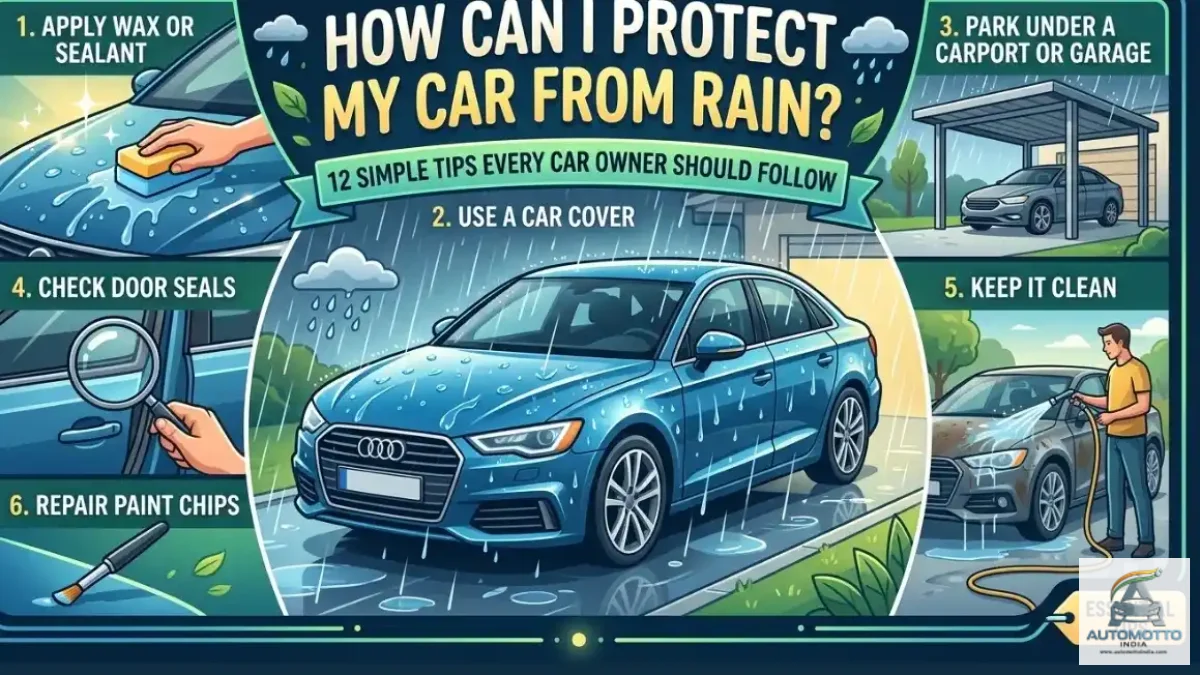
The rainy season brings cooler weather and fresh surroundings, but it also creates new challenges for car owners. While rain itself may seem harmless, it can affect your car in many ways if you do not take proper care. Mud, standing water, humidity, and pollutants carried by rain can slowly damage your vehicle's paint, underbody, tyres, brakes, and even the interior.
If you have recently bought your first car, you may wonder, "How can I protect my car from rain?" The good news is that you do not need expensive products or complicated maintenance routines. A few simple habits can help keep your car clean, safe, and in excellent condition throughout the rainy season.
Protecting your car from rain is not just about maintaining its appearance. It also helps prevent rust, improves driving safety, extends the life of important components, and reduces the chances of costly repairs in the future.
In this guide, you will learn practical rainy season car care tips that are easy to follow. Whether you drive every day or only on weekends, these tips will help you protect your vehicle from the effects of heavy rain and high humidity.
Why Rain Can Be Harmful to Your Car?
Many people believe that rain naturally cleans a car, but this is a common misconception. Rainwater often contains dust, pollutants, and acidic particles collected from the atmosphere. When the water dries, these contaminants remain on your car's surface.
Over time, this can lead to:
- Rust on exposed metal parts
- Paint stains and water spots
- Corrosion on the underbody
- Moisture inside the cabin
- Poor visibility due to dirty windshields
- Reduced braking performance
- Faster wear of tyres and wiper blades
Regular maintenance helps prevent these issues before they become serious.
1. Wash Your Car Regularly During the Rainy Season
One of the easiest ways to protect your car from rain is by washing it regularly. Rainwater mixes with mud, road grime, oil, and dust, especially when driving through city traffic or waterlogged roads. If this dirt stays on the vehicle for several days, it can affect the paint and make cleaning more difficult later.
Try to wash your car every week during the monsoon.
Use a pH-balanced car shampoo instead of household soap because household cleaners may damage the protective layer on the paint.
Pay special attention to:
- Wheel arches
- Door sills
- Lower body panels
- Front and rear bumpers
After washing, dry the car with a clean microfiber towel to reduce water spots
2. Clean the Underbody to prevent rust
The underbody is one of the most exposed areas of your vehicle during the rainy season. Every time you drive through muddy roads or standing water, dirt and moisture collect underneath the car. If left untreated, these deposits can lead to rust and corrosion over time.
An underbody wash every two to four weeks is a good practice during the monsoon. If you frequently drive on rough or flooded roads, consider applying an anti-rust coating for additional protection.
3. Protect Your Car's Paint
Your car's paint does more than improve its appearance. It also protects the metal underneath from moisture and corrosion. Adding a protective layer before the rainy season helps reduce damage caused by rain, dirt, and UV rays.
Popular options include:
- Car Wax: Wax creates a temporary barrier that repels water and makes washing easier
- Paint Sealant: Paint sealants generally last longer than wax and offer better protection against contaminants.
- Ceramic Coating: Ceramic coating forms a durable hydrophobic layer that allows water and dirt to slide off more easily.
- Paint Protection Film: Paint Protection Film provides excellent protection against scratches, stone chips, and harsh weather conditions while helping preserve the original paint. Choose the option that suits your budget and how often you use your vehicle.
4. Repair Paint Chips Before They Become Rust
Small scratches and stone chips may not seem important, but they expose bare metal to moisture. Once rainwater reaches the metal surface, rust can begin to develop.
Inspect your vehicle regularly for:
- Paint chips
- Deep scratches
- Peeling paint
- Early signs of rust
Repairing small imperfections early is much less expensive than repainting larger sections later.
5. Keep Your Windshield Clean
Driving safely during rain depends on clear visibility. A dirty windshield combined with rainwater can make it difficult to see traffic signals, pedestrians, and other vehicles.
Clean both the inside and outside of the windshield regularly. Use a good automotive glass cleaner and a microfiber cloth to remove grease, fingerprints, and dust. A clean windshield also reduces glare during night driving.
6. Replace Worn Wiper Blades
Wiper blades play an important role during the rainy season. Old or damaged blades may leave streaks, skip across the glass, or fail to clear water properly.
Signs that your wipers need replacing include the following:
- Streaks on the windshield
- Squeaking sounds
- Cracked rubber
- Uneven wiping
Poor visibility during rain
Most manufacturers recommend replacing wiper blades every six to twelve months. Also, keep your windshield washer fluid topped up for better cleaning.
7. Check Your Tyres Regularly
Tires provide the grip your car needs on wet roads. As tire tread wears down, it becomes harder for the tires to remove water, increasing the risk of hydroplaning.
Before driving during the rainy season:
- Check tyre pressure.
- Inspect tread depth.
- Look for cuts or bulges.
- Rotate tyres if required.
Good tyres improve braking performance and help you stay in control on slippery roads.
8. Inspect the Braking System
Your brakes are one of the most important safety systems on your vehicle. Wet roads naturally increase braking distances, so your braking system should always be in excellent condition.
Watch for warning signs such as:
- Squealing noises
- Grinding sounds
- Soft brake pedal
- Longer stopping distances
If you notice any of these issues, have your brakes inspected by a qualified technician. Regular brake maintenance improves safety and gives you more confidence when driving in heavy rain.
9. Keep the Interior Dry
Protecting your car from rain is not only about the exterior. The interior also needs attention during the monsoon. Every time you enter the car with wet shoes, umbrellas, or clothes, you bring moisture inside the cabin. Over time, this moisture can create unpleasant smells, encourage mould growth, and even damage the flooring.
Here are a few simple ways to keep your car's interior dry:
- Remove wet floor mats and dry them regularly.
- Wipe away any water that collects near the doors.
- Vacuum carpets if they become damp.
- Use moisture absorbers or silica gel packs inside the cabin.
- Keep the windows closed during rain to prevent water from entering.
A clean and dry interior not only feels more comfortable but also helps protect your car's upholstery and electronics.
10. Use Your Car's Air Conditioner Properly
Many new drivers believe the air conditioner should be switched off during rain. In reality, the air conditioner helps remove moisture from inside the cabin. If your windows begin to fog, switch on the air conditioner and use the front defogger. This removes humidity from the air and clears the glass much faster.
To get the best results:
- Use fresh air mode occasionally instead of keeping the system on recirculation all the time.
- Replace the cabin air filter according to the service schedule.
- Get the air conditioning system serviced if cooling performance has reduced.'
A properly functioning AC system improves visibility and makes driving safer during rainy weather.
11. Park Your Car in a Safe Location
Where you park your car during the rainy season can make a big difference. Whenever possible, choose a covered parking area. This protects your vehicle from continuous rain, falling branches, bird droppings, and tree sap.
If covered parking is not available:
- Avoid parking in low-lying areas where water collects.
- Stay away from trees with weak branches.
- Choose a flat surface whenever possible.
- Check your car after heavy rain to ensure no water has entered the cabin.
If you use a car cover, make sure the vehicle is clean and completely dry before covering it. Trapping moisture under a cover for long periods can affect the paint finish.
12. Protect the Battery and Electrical Components
Modern cars rely heavily on electronic systems, sensors, and control modules. Although these components are designed to handle normal weather conditions, prolonged exposure to water can still create problems.
Inspect your battery every month during the rainy season.
Look for:
- Corrosion around the battery terminals
- Loose battery connections
- Difficulty starting the engine
- Dim headlights
Clean any corrosion using the appropriate battery cleaning solution or have it serviced by a professional. Also, avoid driving through deep water whenever possible. Water entering the engine bay or electrical systems can lead to expensive repairs.
Read More:
Simple Rainy Season Car Maintenance Checklist
Following a regular maintenance routine makes it easier to spot small issues before they become costly repairs.
Every Week
- Wash the exterior.
- Clean the windshield.
- Check tyre pressure.
- Dry the floor mats.
- Inspect the wiper blades.
Every Month
- Clean the underbody.
- Check brake performance.
- Inspect the battery.
- Examine door and window seals.
- Test all exterior lights.
Before Every Long Drive
- Check engine oil and coolant levels.
- Refill windshield washer fluid.
- Inspect tyre tread.
- Test the brakes.
- Carry an emergency kit.
Spending just a few minutes on these checks can improve both safety and reliability during the rainy season.
Common Mistakes to Avoid During the Rainy Season
Many car owners unintentionally shorten the life of their vehicles by ignoring basic maintenance.
Avoid these common mistakes:
- Skipping Regular Washing: Rainwater leaves behind dirt and pollutants that can damage the paint over time.
- Ignoring Small Scratches: Paint chips expose metal to moisture, increasing the risk of rust.
- Driving with Worn Tyres: Poor tyre tread reduces grip on wet roads and increases stopping distances.
- Delaying Brake Repairs: Weak brakes become even more dangerous during heavy rain.
- Leaving Wet Floor Mats Inside: Moisture trapped inside the cabin can lead to mould and unpleasant smells.
- Parking in Flooded Areas: Standing water can damage the engine, electrical systems, and interior.
- Using Old Wiper Blades: Worn wipers reduce visibility and make driving more stressful during heavy rain.
Final Thoughts
Protecting your car from rain does not require expensive products or complicated maintenance. Most problems caused by the rainy season can be avoided by following a few simple habits and checking your vehicle regularly. Wash your car often, keep the underbody clean, repair paint damage quickly, inspect your tyres and brakes, and make sure your windshield and wipers provide clear visibility. Do not overlook the interior, as controlling moisture inside the cabin is just as important as protecting the exterior.
For new car owners, developing these maintenance habits early can make a significant difference. A well-maintained car not only looks better but also performs more reliably, stays safer on wet roads, and holds its value for longer. The rainy season is unavoidable, but costly repairs are not. By taking preventive steps and paying attention to small details, you can enjoy worry-free driving throughout the monsoon while keeping your car in excellent condition for years to come.
Frequently Asked Questions
Q1. How can I protect my car from rain naturally?
Ans. Regular washing, underbody cleaning, proper parking, and timely maintenance are the most effective ways to protect your car from rain. Applying wax or ceramic coating can also provide additional protection.
Q2. Is rainwater harmful to my car?
Ans. Rainwater itself is not usually harmful, but it often carries dust, pollutants, and acidic particles. If these contaminants remain on your vehicle for a long time, they may affect the paint and increase the risk of corrosion.
Q3. Should I wash my car after it rains?
Ans. Yes. Washing your car after heavy rain helps remove mud, dirt, and contaminants before they stick to the paint or underbody.
Q4. Is ceramic coating good for the rainy season?
Ans. Yes. Ceramic coating creates a water-repellent surface that makes it easier to clean your car and reduces the buildup of dirt during rainy weather.
Q5. How often should I clean the underbody?
Ans. If you drive regularly during the monsoon, clean the underbody every two to four weeks. Clean it sooner if you frequently travel through muddy or flooded roads.
Q6. Can rain damage my car battery?
Ans. Rain itself does not usually damage the battery, but moisture can cause corrosion around the battery terminals. Regular inspections help prevent starting problems.
Q7. What should I check before driving in heavy rain?
Ans. Before driving, inspect your tyres, brakes, headlights, windshield wipers, washer fluid, and battery. Make sure all lights are working properly and avoid driving through flooded roads.



Discussion