How to Identify High Quality PPF Film for Cars?
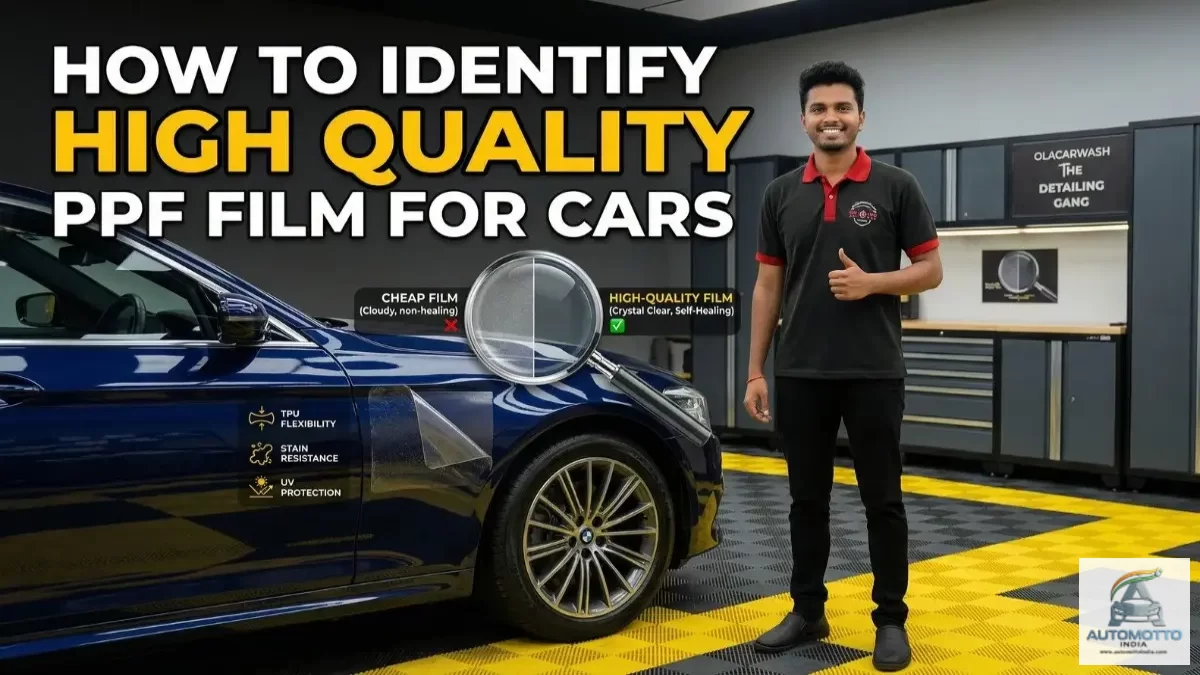
When you invest in a new car, protecting its paint becomes a top priority. Paint Protection Film, commonly known as PPF, is one of the most effective ways to keep your car looking new. But here is the problem. Not all PPF films are the same. With so many options available in the market, it becomes difficult for new car owners to identify which PPF is truly high quality and which one is just marketing.
A poor-quality film can turn yellow, peel off, or even damage your car’s paint instead of protecting it. This guide will help you understand how to identify high quality PPF film using simple checks as well as professional methods.
What is Paint Protection Film?
Paint Protection Film is a transparent layer applied on the surface of a car to protect the paint from scratches, stone chips, UV rays, and environmental damage. Most premium PPF films are made from TPU, which stands for thermoplastic polyurethane. High quality PPF offers flexibility, durability, chemical resistance, and self healing properties. Low quality films are usually made from cheaper materials like PVC, which lack durability and tend to degrade faster.
Why Choosing the Right PPF Matters?
A good PPF film protects your car for years. A bad one creates problems.
Low quality PPF can lead to:
- Yellowing due to UV exposure
- Cracking and peeling over time
- Adhesive residue left on paint
- Loss of gloss and clarity
- Permanent stains from bird droppings or chemicals
This is why identifying quality before installation is very important.
Key Ways to Identify High-Quality PPF Film
Let us go step by step through both basic and advanced methods.
1. Check the Smell of the Film
Take a small piece of PPF and smell it after removing the backing layer. High-quality PPF should have little to no smell. If the film has a strong chemical or pungent odor, it is likely made with low-quality adhesive or materials. This can not only affect durability but may also damage your car paint over time.
2. Test Adhesion Strength
Stick a small piece of film on a painted surface and remove it a few times. A high quality PPF will:
- Stick properly
- Remove cleanly
- Leave no residue
If glue is left behind or the film struggles to stay in place, it is a sign of poor quality adhesive.
3. Evaluate Film Thickness
Thickness directly affects protection. High quality PPF typically falls between 8 mil to 12 mil. Thicker films provide better resistance against stone chips and road debris. Professionals use a thickness meter to measure this. If the film is too thin, it will not offer proper protection. If it is too thick without flexibility, it may be difficult to install.
4. Check Toughness and Flexibility
A premium PPF should be both strong and flexible. You can test this by stretching a small strip of film. High-quality TPU film can stretch significantly without breaking. It may even extend up to three or four times its original length. Low quality film will tear easily and feel brittle. This indicates poor material quality.
5. Test Self-Healing Property
Self healing is one of the most important features of modern PPF. Create light scratches on the film surface using a soft brush or fingernail. Then apply heat using warm water or a hair dryer. A high quality PPF will repair itself and remove the scratches. If the marks stay visible, the film lacks proper top coating.
6. Inspect Clarity and Finish
Visual appearance matters a lot. Install the film on a dark surface and observe it under direct light. High-quality PPF should:
- Be crystal clear
- Enhance gloss
- Have no haze
Look closely for orange-peel texture. This looks like a slightly uneven surface. Premium films have a smooth and glass-like finish.
7. Check Hydrophobic Performance
Hydrophobicity means water repellency. Sprinkle water on the film. A high-quality PPF will form tight water beads and allow water to slide off quickly. This also helps in keeping the car clean. If water spreads out instead of forming droplets, the top coat is weak.
8. Test Chemical Resistance
This test is usually done by professionals. A small amount of mild chemical, like isopropyl alcohol, is applied on the film. High-quality PPF will resist the chemical and show no visible damage. Low-quality film may fade, swell, or get stained.
9. Check Impact and Puncture Resistance
Good PPF should absorb impact. Professional tools simulate stone hits and measure how much force the film can handle. High quality TPU films can resist strong impacts without cracking. This ensures protection from real-world road conditions.
10. Look for Manufacturer Warranty
Always check the warranty. Reliable brands offer 5 to 10 years warranty. This shows confidence in product quality. Avoid films without proper documentation or manufacturer support.
11. Observe Installation Behavior
Even during installation, quality shows.
High quality PPF:
- Stretches easily
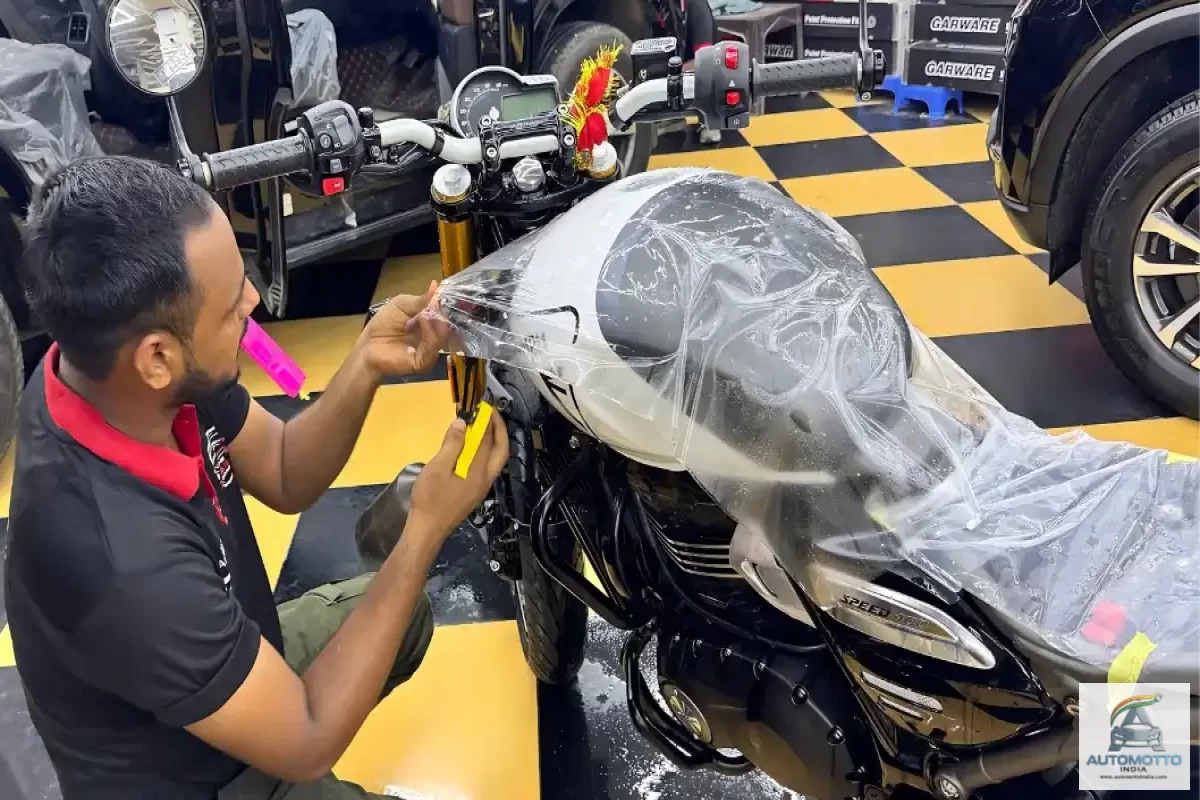
- Fits curves smoothly
- Does not lift at edges
Low quality film may create bubbles, wrinkles, or fail to stick properly.
12. Understand the Material Type
Always confirm the material. TPU is the best option for PPF. It offers flexibility, self-healing, and long life.
PVC based films are cheaper but:
- Turn yellow
- Crack easily
- Do not self-heal.
Choosing TPU ensures long term performance.
Read More:
Common Mistakes to Avoid
Many car owners focus only on price. This is risky.
Avoid:
- Choosing the cheapest option
- Ignoring warranty
- Skipping basic tests
- Trusting only marketing claims
Always verify quality before installation.
Final Thoughts
Identifying high quality PPF film is not difficult if you know what to look for. Simple checks like smell, adhesion, and clarity can give you a good idea. Advanced testing like thickness, puncture resistance, and hydrophobic performance confirms the real quality.
A good PPF protects your car, enhances its appearance, and saves money in the long run. A bad one does the opposite. Take your time, ask questions, and choose wisely. Your car deserves the best protection.
Discussion